(Descriptive form)
The magic of film cameras and the art of development make them place full of mystique that is still being captivated by people even today. It’s more than a technique; it’s an experience-the tactile beauty and deliberately taken snapshot of a moment. Film photography breathes some age-old analog essence, directly contrasting with instant gratification usually associated with modern digital devices. It actually gives an extremely slow yet thoughtful way of making images that concentrate on talent, persistence, and mastery.
What’s the appeal of film cameras?
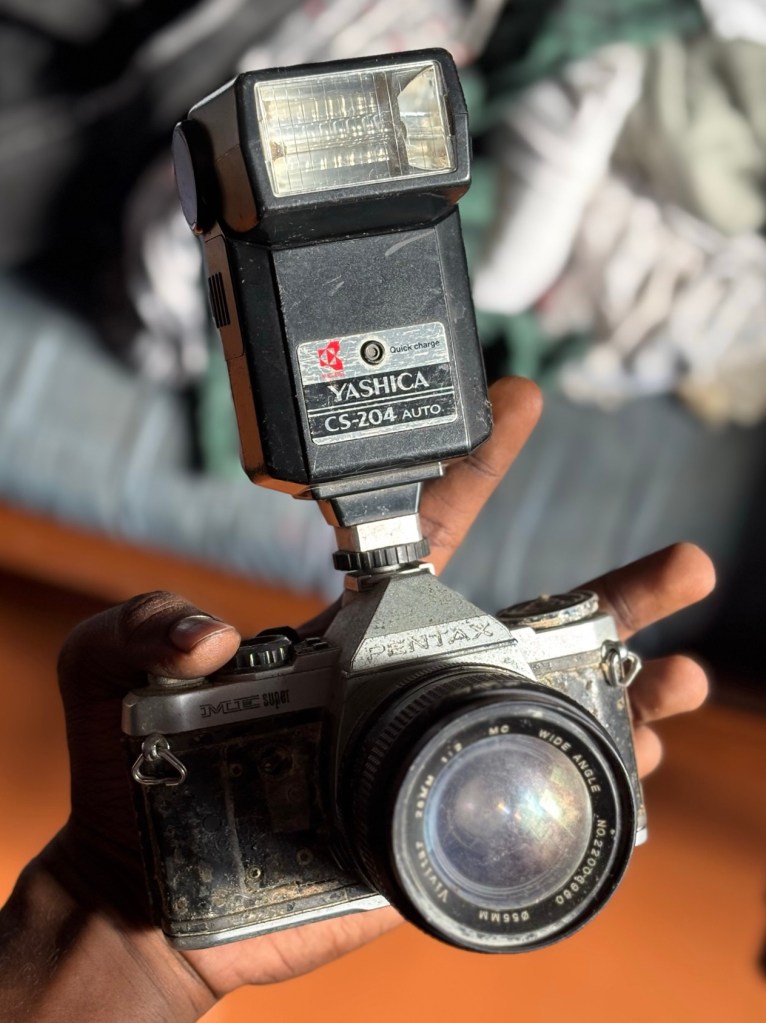
Film cameras are complicated machines, each of which has its personality, characteristics, and its own style for capturing light. From a super simple point-and-shoot model to complicated medium format and 35mm cameras, every device displays something different about how a picture might be taken.
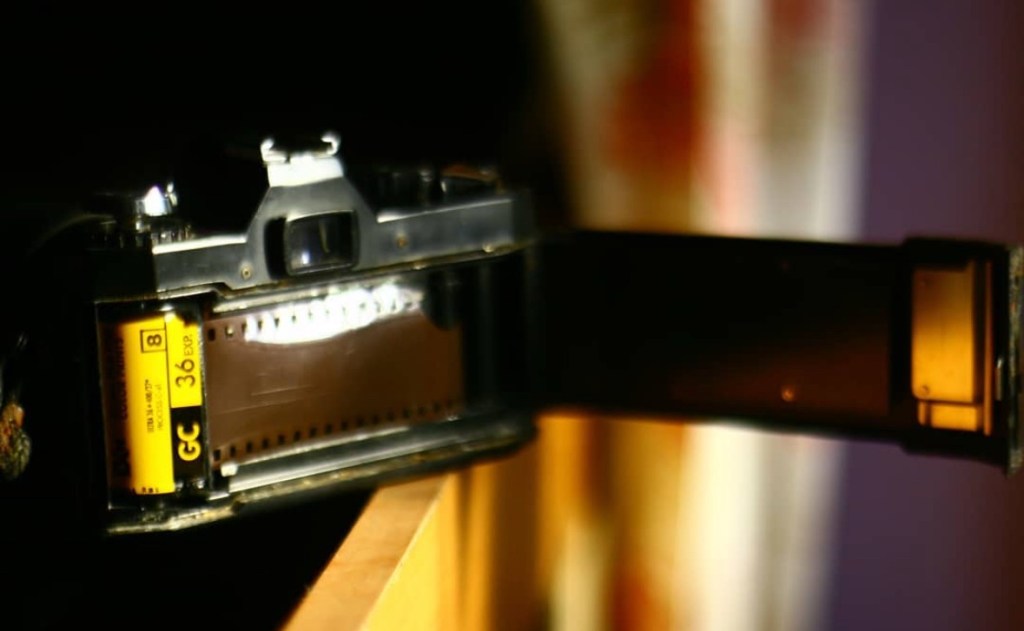
Some people are attracted to film cameras because they provide the joy of tangibility.The satisfying click of the shutter, winding the film, the weight of the camera in hand-all these elements bind the photographer to the device. Not like the hundreds of pictures taken in the digital camera without any thought-provoking scenario; it develops a more thoughtful approach. Every shot counts. That explains why this limited nature of the film—whether a roll of 24 exposures or 36, actually sinks the photographer into the critical thinking of each single frame very clearly, thus ensuring that each shot taken from the camera is deliberately.
Medium-format cameras, by virtue of their greater negative size deliver tremendous detail and tonal depth, and these cameras are loved for professional use mainly in fashion, portrait, and landscape photography. The 35mm format, although smaller, is flexible, fast, and convenient, and so it can be used to perfection in street photography or documentary work.
Owning a collection of film cameras feels like going through history, but each camera marks a different era of photographic invention. A wooden film camera, for instance, reminds one of photography’s genesis where the whole process was laborious, but at the same time, the satisfaction to the max. That kind of camera testifies to the development of the craft and the extent of dedication one needs to capture an image in its most basic form.
The Magic of Film Development
Here lies the real magic of film developing. This is where a photographer’s skill and vision really come into play. Where digital photographers today can look at their images and make adjustments on the fly, film photographers can only rely on instinct and experience in regards to exposure, lighting, and composition.
It is at the moment when that film is exposed to light that the journey begins, with the mechanical precision of the camera and the intuitive instinct of the photographer culminating in a split second. However, what the actual work happens long after that roll is finished: when that exposed film needs carefully development before revealing the images hid there.
Setting up a film developing station, like you did at home, involves a space dedicated to the alchemy of film processing. A darkroom or, at least, a space where the film may be manipulated in complete darkness is needed. It is here that the film is removed from its canister and loaded into a developing tank.
Film development is chemistry. Delicate and specific chemistry. This light sensitive emulsion is coated onto film and reacts to light exposure. A series of chemicals: application with developer, followed by stop bath, and then fixer produce visible images from these areas exposed to light. The developer reveals the latent image through a chemical reaction with the exposed silver halides. The stop bath arrests further reaction, while the fixer makes the image permanent and harmless to light.
Finally, the balance of chemicals as well as their temperature all need to be controlled to each other for consistently quality and accurate results. Fluctuation in these can significantly change the final image often into a better result at times and into a worse result at other times. This unpredictability is part of the fun of shooting film. It’s a craft that calls for not just technical ability but also an intimate knowledge of how light and chemistry will play together.
Once the film has been developed and dried, the negatives are ready to be printed. This is again a whole new area of art in itself, where using an enlarger such as you have in your set projects the image onto light-sensitive paper. It is really in making prints from negatives that a photographer’s vision becomes most encompassing. Exposures and photographic paper grades can be used to tweak the print to match one’s preferences.
Nostalgia and Film
Some people just feel nostalgic about film photography, and perhaps for some of them, this very grainy and imperfect quality of a film image has more authenticity and is timeless when compared to the highly sharp digital images that we all see nowadays. There’s a warmth to film, softness, even if present in digital photography. As if the imperfections of the medium are what give the images an air of life.
In the case of your old film cameras and development equipment, this is simultaneously even more poignant. These tools are not just telling representations of a time when photography was much more of an art but also a personal history—a connection to the past,
Owning such cameras, and using them in today’s world, is a form of paying tribute to that craftsmanship. This is a deliberate engagement with photography in a very different manner—namely, more slowly and thoughtfully. Film cameras and the developmental process recall for us the fact that photography is so much more than capturing an image; it’s about process, patience, and skill bent on creating something meaningful.
The Future of Film Photography
Even as the world welcomed digital photography with open arms, a lot of people began to discover again what film magic feels like. Most of them, including the young ones, started using film again to take photos. One part of this rebirth has been triggered by an almost suffocating feeling of being overwhelmed by the digital world and finding something natural again.
It forces photographers to slow down, to think, and to appreciate the process of creating an image. The drive of instant gratification is substituted by the satisfaction of careful composition, shot-taking, development, and printing for each photograph. For a world in general where everything is instantaneous, film photography offers a little moment of stillness—time to gaze over the craft and the art of seeing.
Besides, film has an aesthetic which cannot be digitally replaced: organic grain, color rendition, and dynamic range are qualities in films that cannot be replicated by digital sensors. Digital photography, although featuring greater convenience and speed compared to film, is not an alternative when it comes to something more tactile and evocative.
The pastime of home film development, has also become popular. You can utilize enlargers, photo development machines, and more antiquated equipment with modern stocks of films. Moreover, film shooters can even try out skills that lay dormant for decades because film development is labor-intensive, from mixing formulae for the chemical to making sure every shot is prepared. That hands-on sense makes the final product feel altogether owned by the artist in ways it never could with digital processes.
Old technologies, film cameras, and film development artistry represent more than just ancient instruments. These are a rich tradition of craftsmanship, patience, and specialized expertise; whether the mechanical beauty of a medium format camera or careful chemistry in the darkroom, it’s more deliberate. more a practice that honors the past while opening up new avenues of expression of current creativity.
 Explore with Hari