(Expository form)
In the modern day where convenience often rules supreme, it appears strange that analogue audio is back. At a time when millions of music are available instantly via streaming, and digital files allow for and give stunning clarity upon playback, analog formats such as vinyl records and cassette tapes look to be a thing of the past. However, there is a growing culture of audiophiles, musicians, and collectors that swear by the warmth and authenticity of analog audio. Interest in analog audio is more than simply a nostalgic trend; it reflects a higher respect for the sense of touch it provides.
Basic Theory of Analog Audio
Analog audio simply means that the sound you record and reproduce is continuous, imitating the waveform of the original sound wave. Unlike digital audio, which converts sound into binary codes like 1s and 0s, analog audio recorded in wave format, bringing it closer to the true audio experience. The most common forms of analog audio are vinyl records, cassette tapes, and reel-to-reel tapes.
For example, a vinyl record is manufactured by engraving an uninterrupted groove onto a disc. That groove then fits directly to the original wave of sound; when the record rotates on a turntable and a needle or stylus reads the groove, the physical imprints are converted into electrical signals that can be amplified into audible sound. Cassette tapes use magnetic tape to record audio signals, which are then played back using a tape deck.
While digital audio is a far more handy and portable medium, analog formats are respected for producing a warmer sound, which enthusiasts value. Warmness is owed not only to the human curation of such materials but also to the very many minor flaws and spurious distortions that might occur while listening-although it has to be said, one would occasionally hear the crackle of vinyl at its transition, or the soft hiss of a cassette, for example. In fact, some accept such imperfections as part and parcel of the beauty of analog audio,giving it an organic quality that computerized sound cannot match.
History of Analog Audio
Analog audio dates back to the late the 19th century. The phonograph was invented by Thomas Edison in 1877, an apparatus that records and reproduces sound with the aid of a rotating cylinder. Edison’s phonograph was the first device in the history of humankind that could capture and replay sounds. Edison’s phonograph led in sequence to the development of the gramophone, which represented discs instead of cylinders. The gramophone eventually evolved into the type of record players that dominated the twentieth century.
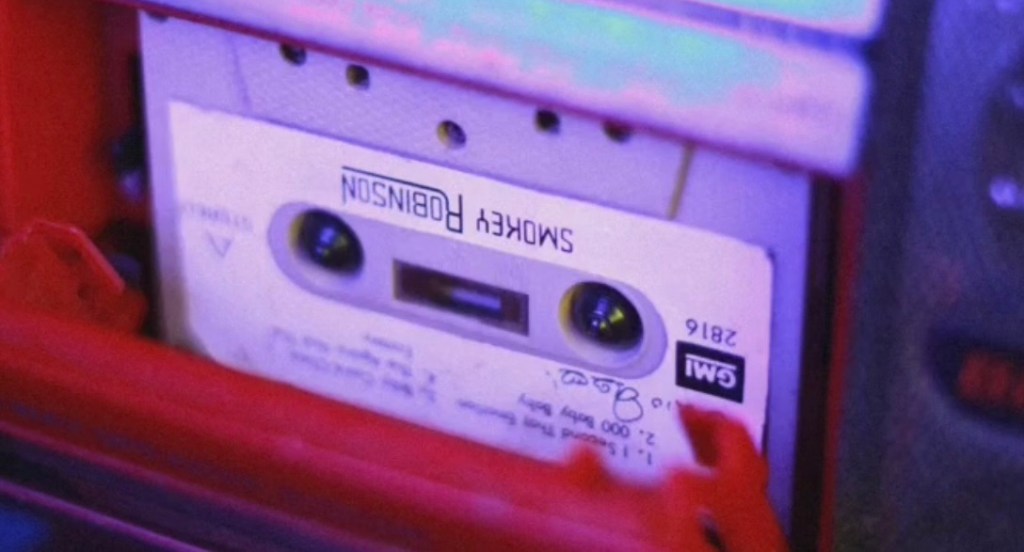
Cassette tapes came out in the 1960s and appeared a little later to massive success owing to their mobility and ease of use. It had enabled people to record music for themselves at home, where they could have total control over it; certainly not something one could achieve with records. Cassette tapes started falling out of favor in the 1990s following the inventions of CDs and digital formats that began growing at the time. However, over the past few years, there has been a revival of this type of recorded music, particularly in small environments.
Less common for use in the home than reel-to-reel tape recorders, the mid-20th century saw reel-to-reel tape recorders take their place in almost every serious professional recording studio in producing some of the most famous records ever made: Sgt. Pepper’s Lonely Hearts Club Band by The Beatles to The Dark Side of the Moon for Pink Floyd. First, these machines have the ability to capture sound with excellent precision and dynamic range, which can still be heard in our productions today.
Modern Analog Audio and the Renaissance of Vinyl
Despite being treated to digital formats for the better part of the last few decades, vinyl records staged a great comeback. Industry reports tellingly reveal that, for every year since about the mid-2000s, vinyl sales have continued to follow an upward trend. For instance, in 2022, vinyl sales outstripped those of CDs in many markets for the first time since the 1980s. Several factors fuel this growth.
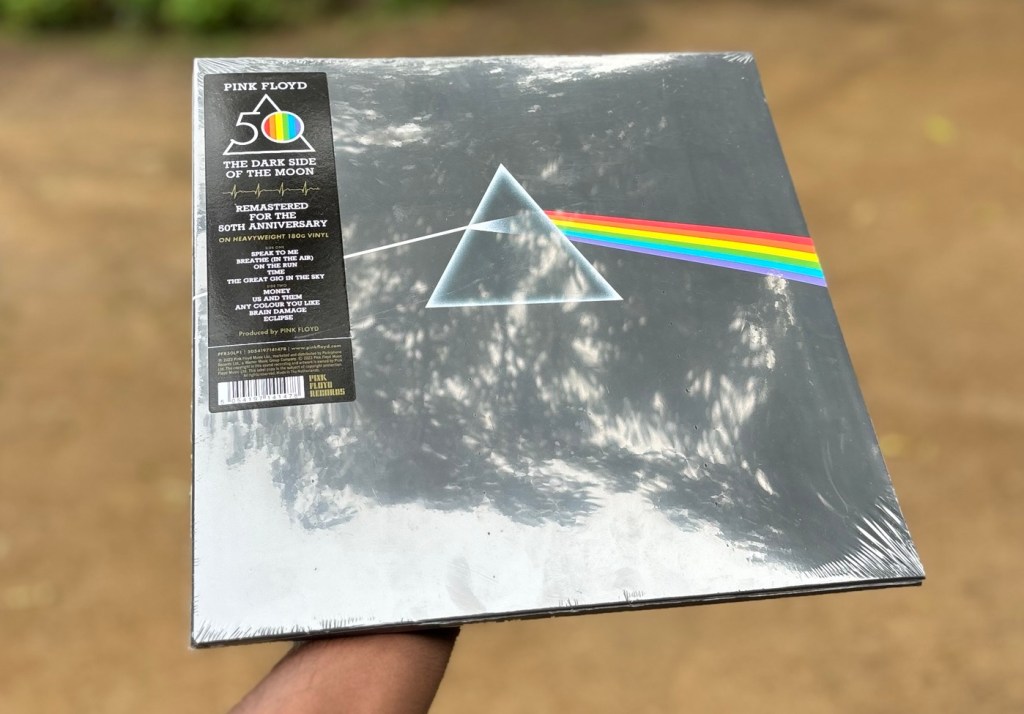
First of all, one must mention that quality of sound. There is a great number of audiophiles who claim that listening to the music from vinyl record is much more rich and is closer to the original sound as opposed to compressed digital formats like MP3s. Vinyl records are able to reproduce a wider spectrum of frequencies, particularly in lower and mid ranges, thus providing a fuller and more resonant sound. Vinyl records are thus better suited for genres like jazz, classical, and rock where nuance of instrumentation is of considerable importance.
The second is the physical, tactile nature of a record. To listen to vinyl is an exercise in interactivity: you choose the album, put it carefully on the turntable, flip it over halfway through. This serves as a ritual for so many listeners, something that often lacks with digital formats. Vinyl records come also with oversized album covers, often sporting elaborately crafted artwork, liner notes, and more, which add to the connection made with the music.
The final factor in vinyl’s resurgence of popularity is cultural. Young listeners, socialized in the digital world, are finding that the charm of analog formats reflects a move away from the fleeting nature of digital media. In a world where a user can stream and delete an mp3 at whim, a vinyl record symbolizes permanence and possession.
The Appeal of Analog in a Digital World
While digital audio is replete with undeniable benefits—high portability, the ability to store thousands of songs on one device, and crystal-clear sound quality—it often lacks the character and warmth that analog audio provides. For many people, that distinction is at the heart of their preference for analog formats. Vinyl doesn’t just produce sound; it produces an experience. From the crackle of a needle hitting the record to the ritual of flipping sides, analog audio requires more engagement by a listener, hence it builds a stronger emotional connection with the music.
Thirdly, analog formats somehow influence how a person listens to music. Digital music, which is so concentrated on playlists and shuffle modes, tends to break the listening experience into portions. Vinyl records, by contrast, tend to foster a more unified and deliberate listening experience: many LPs were designed with some specific order in mind, and listening to an LP from beginning to end is, once again, conducive to appreciating the work as a unit, rather than simply a collection of individual cuts.
Obstacles and Limitations
Of course, analog audio isn’t without its frustrations. Vinyl records and cassette tapes deteriorate easily and their playback devices are costly and fragile. This is not an easy job to maintain a vinyl collection; it involves storing the vinyl records in the right way to avoid warping, and the turntable needles need replacement occasionally to get the best sound quality. Analog audio also lacks the convenience that consumers have grown accustomed to with digital formats. What is worse, it does not let you prepare your favorite vinyl music playlist to stream on your smartphone or while you are traveling from different parts of the world.
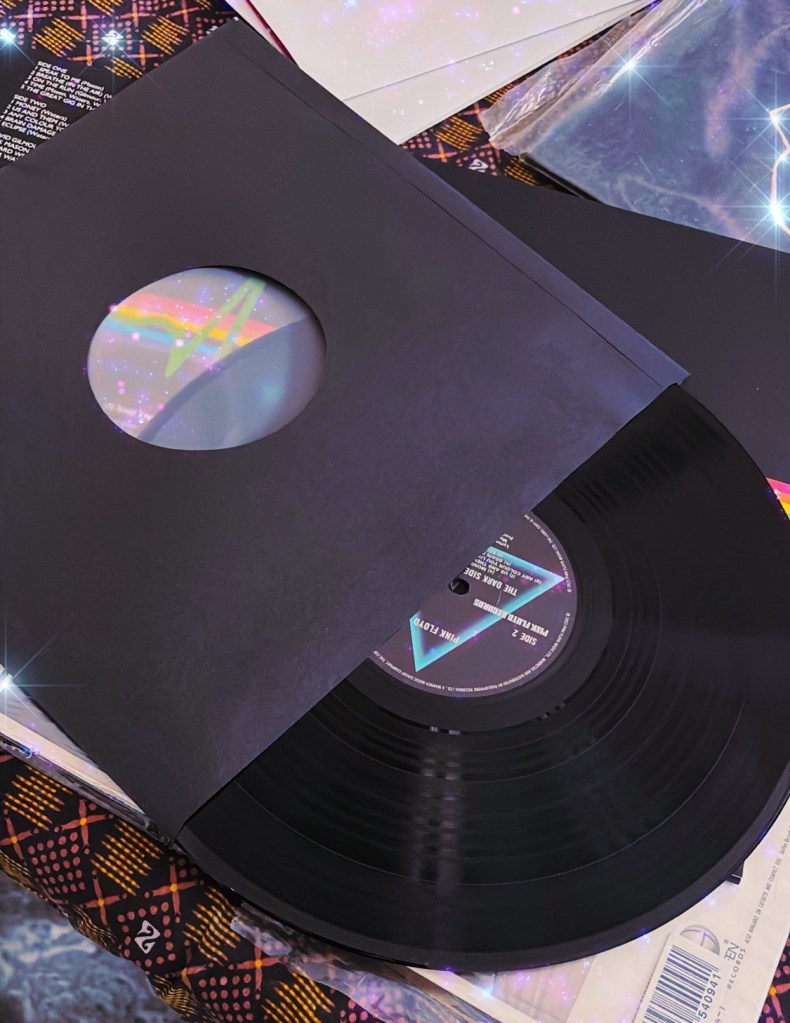
There is also the issue of availability. Vinyl records are still somewhat niche compared to digital music, although they are gaining popularity. New vinyl releases can be a lot more expensive than digital options, and producing vinyl records is a slow, expensive process. Similarly, cassette tapes, although they have gained ground as well, quality tape decks and blank tapes are somewhat of a hard find.
Conclusion: The Future of Analog Audio
At the same time, despite all these challenges, analog audio has continued to attract people. People will continue to cherish warmth, depth and even physiosophy embedded in analog sound. Whether as an alternative to the digital age or as art itself, analog audio continues to captivate listeners in ways that digital formats cannot, reminding one that music is not just a sound but an experience, a ritual, and a bond between the listener and the art itself. Analog audio, in all of its guises, will continue to exist as long as there are people who enjoy such qualities.
 Explore with Hari